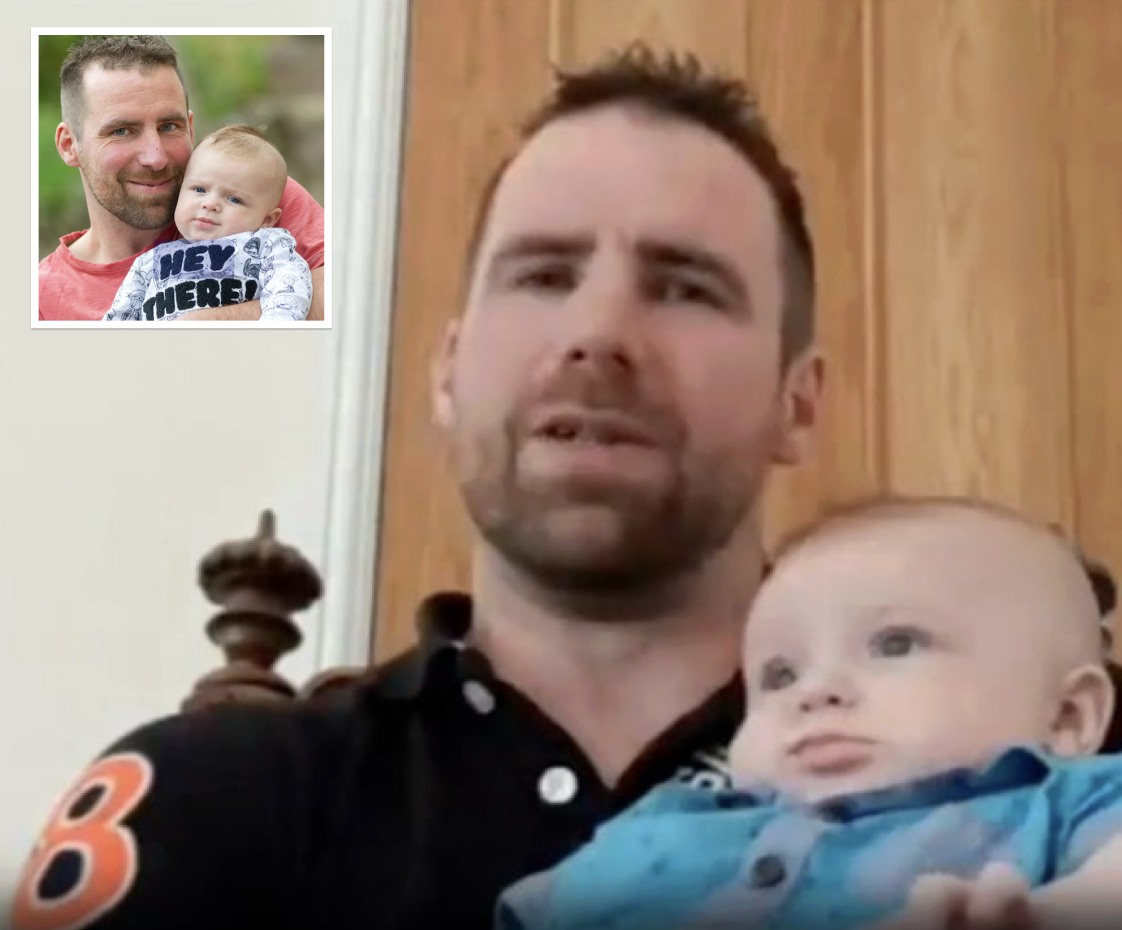
Parents Finally Win Battle To Call Their Baby This ‘Banned Name’ That’s Sparking Outrage
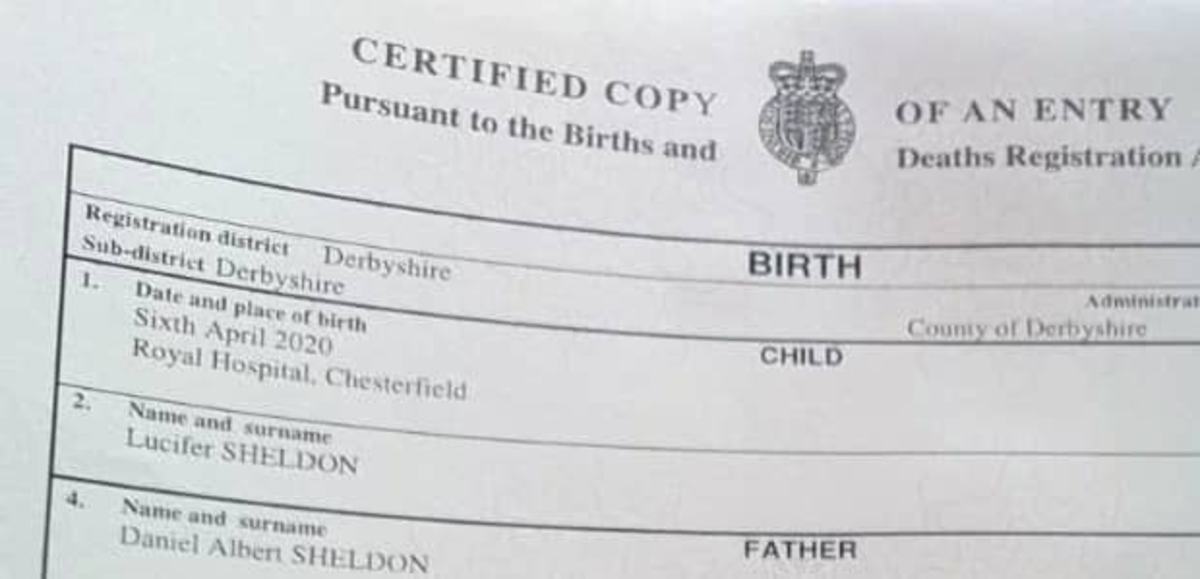
A British couple says what should have been a joyful milestone turned into a tense confrontation after they chose an unconventional name for their newborn son: Lucifer.
Dan and Mandy Sheldon, parents from Chesterfield in Derbyshire, recently visited their local registry office to formally record the birth of their four-month-old baby. But instead of a smooth process, they claim they were met with resistance from a registrar who questioned their decision and warned them about potential consequences.
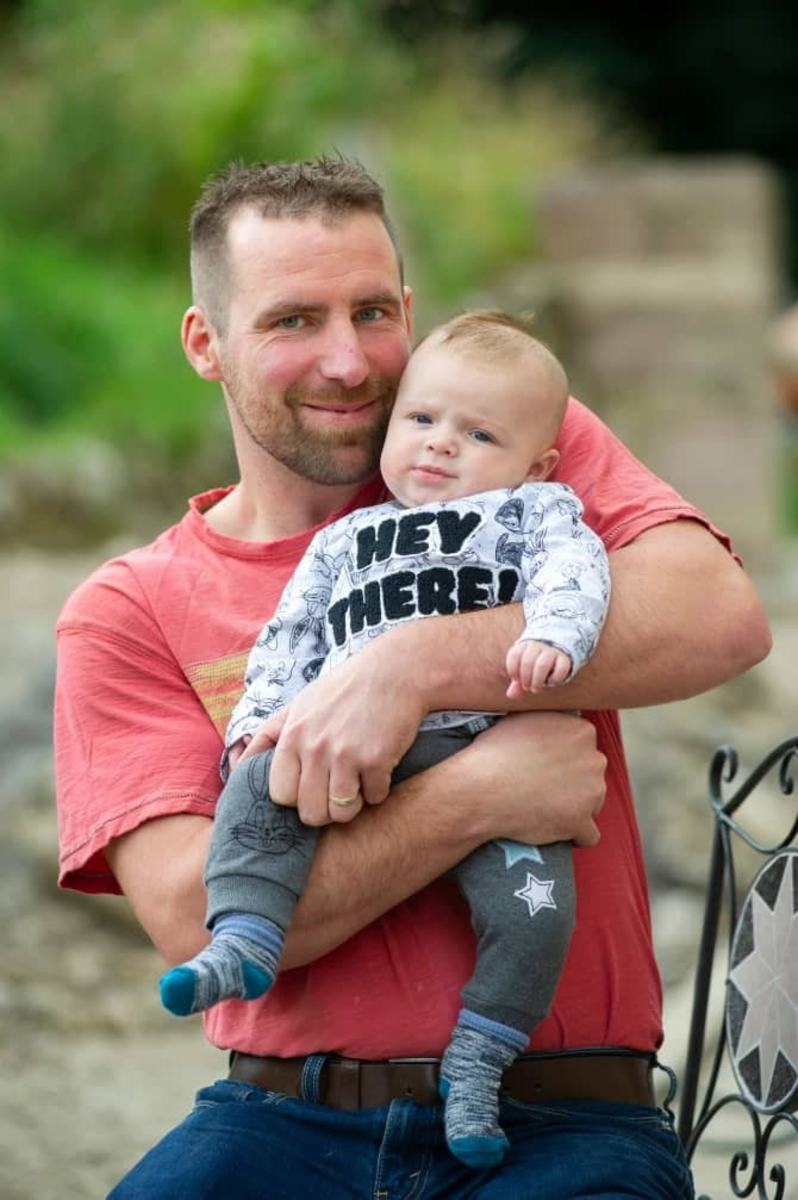
According to the couple, the official expressed concern that the name—often associated with the devil in religious contexts—could negatively impact the child’s future. The parents allege they were told their son might face difficulties later in life, including challenges in school and employment, due to the name’s controversial reputation.
Dan Sheldon, who runs a plant hire business, said the exchange left them stunned. What they had anticipated as a celebratory moment quickly became uncomfortable, as they felt judged for a choice they viewed as meaningful and unique.
The father explained that their intention was not rooted in religion or controversy. Instead, he pointed to the name’s historical and linguistic origins, noting that “Lucifer” is derived from Latin and is often interpreted as “light-bringer” or “morning star.” Despite his explanation, he claims the registrar remained unconvinced and even suggested alternative approaches—such as using a different legal name while informally calling the child Lucifer at home.
At one point, the couple said they were asked to step aside while the registrar verified whether the name could legally be approved. Ultimately, the registration went through, but Dan described the process as reluctant and far from welcoming.
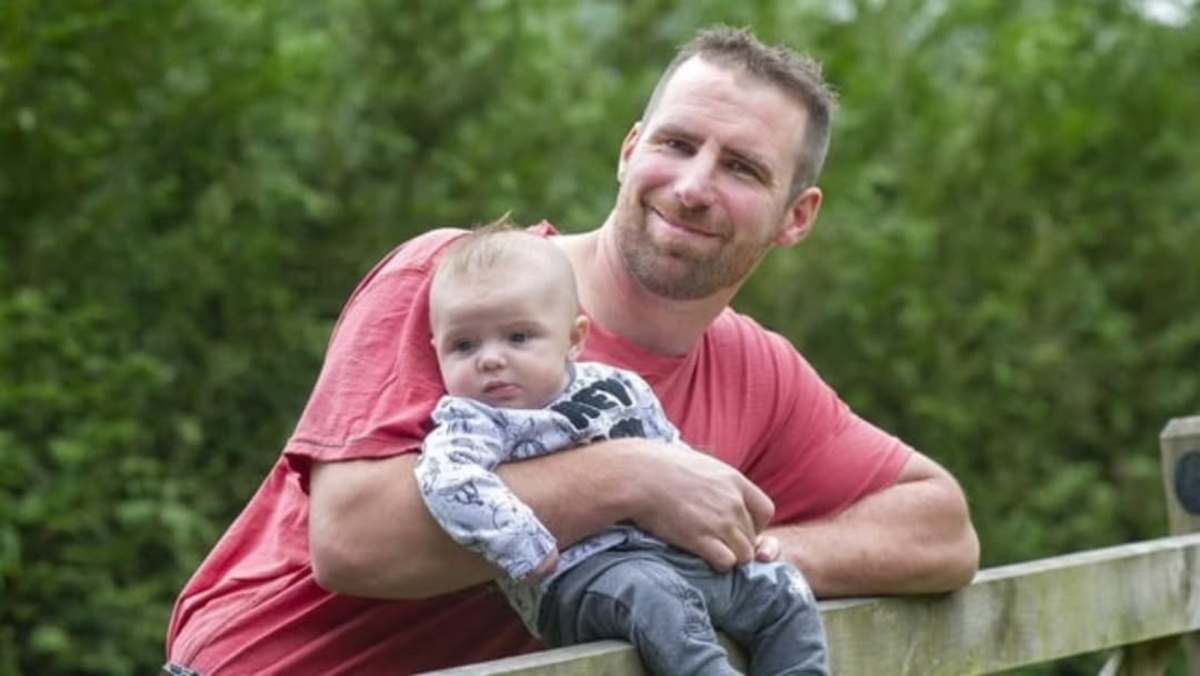
The situation has sparked broader discussion about naming laws and personal freedom. In the United Kingdom, regulations surrounding baby names are relatively lenient compared to some other countries. Names are generally permitted unless they include offensive language, symbols, or elements deemed harmful to the child.
By contrast, nations like New Zealand maintain stricter guidelines. In fact, “Lucifer” was reportedly added to that country’s list of prohibited names over a decade ago.
Local officials later responded to the incident, stating that registrars are tasked with offering guidance to parents, particularly when names may carry strong cultural or historical associations. They also issued an apology if the couple felt offended during the interaction.
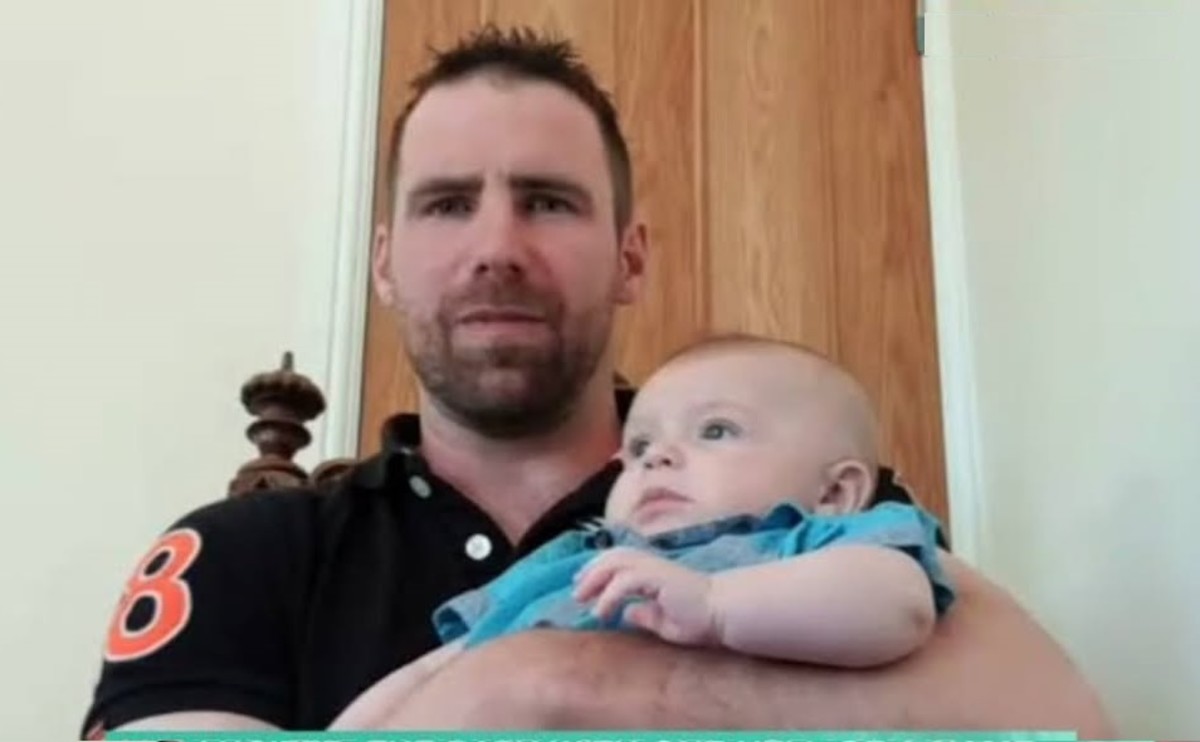
For the Sheldons, however, the experience remains a sour memory tied to what should have been a special occasion. They maintain that parents should have the right to choose names they believe are meaningful—without facing criticism or judgment.
As debates around individuality and tradition continue, this case highlights the delicate balance between personal expression and societal perceptions—especially when it comes to something as personal as a child’s name.