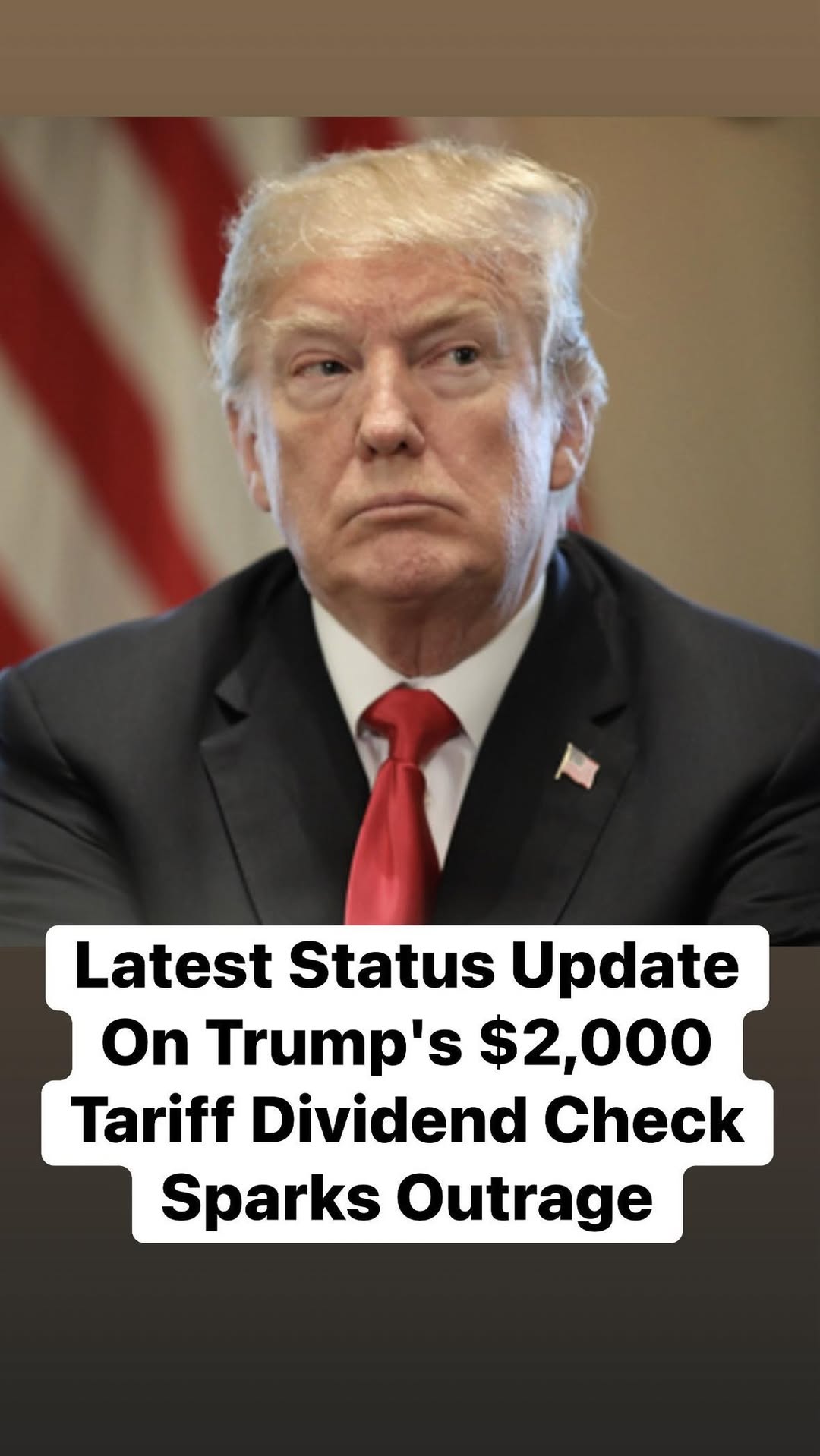
Latest Status Update On Trump’s $2,000 Tariff Dividend Check Sparks Outrage
The Supreme Court of the United States delivered a major setback to President Donald Trump’s trade agenda Friday, striking down a key legal mechanism behind his tariff strategy — and, according to financial experts, likely slamming the door on the possibility of so-called “tariff dividend” checks for American families.
In a 6-3 ruling, the high court determined that the administration improperly relied on the International Emergency Economic Powers Act to implement broad tariffs central to the president’s economic plan. The decision represents a significant legal hurdle for the White House’s trade policy and complicates any pathway toward redistributing tariff revenue directly to taxpayers.
For months, the idea of issuing rebate-style payments funded by tariff collections had circulated in political and economic circles. But analysts say the concept always faced steep odds.
Stephen Kates, a certified financial planner and analyst with Bankrate, described the proposed checks as more aspirational than actionable. He noted that the executive branch does not have unilateral authority to send stimulus-style payments to Americans without congressional approval. Any nationwide rebate program would require legislation to pass both chambers of Congress — a tall order in a deeply divided Washington.
Following the court’s decision, the political math appears even more daunting.
While the president moved swiftly to announce a new round of tariffs under a different authority, citing powers under the Trade Act of 1974, questions remain about whether such measures could generate surplus revenue substantial enough — or politically viable enough — to fund dividend payments.
Treasury Secretary Scott Bessent said during remarks at the Economic Club of Dallas that tariff collections are expected to remain strong, even in light of the ruling. He suggested that alternative statutory tools could preserve much of the administration’s trade framework.
Still, economists are skeptical that any meaningful rebate program is on the horizon.
Brett House, a professor at Columbia Business School, pointed to the nation’s widening federal deficit as a complicating factor. Even if tariff revenues remain steady, he argued, mounting fiscal pressures make broad-based cash payments increasingly unlikely.
The idea of a tariff-funded rebate gained traction last year when Sen. Josh Hawley presented the American Worker Rebate Act of 2025. The proposal called for direct payments to qualifying Americans using tariff proceeds. The bill was referred to the Senate Finance Committee, where it has yet to advance.
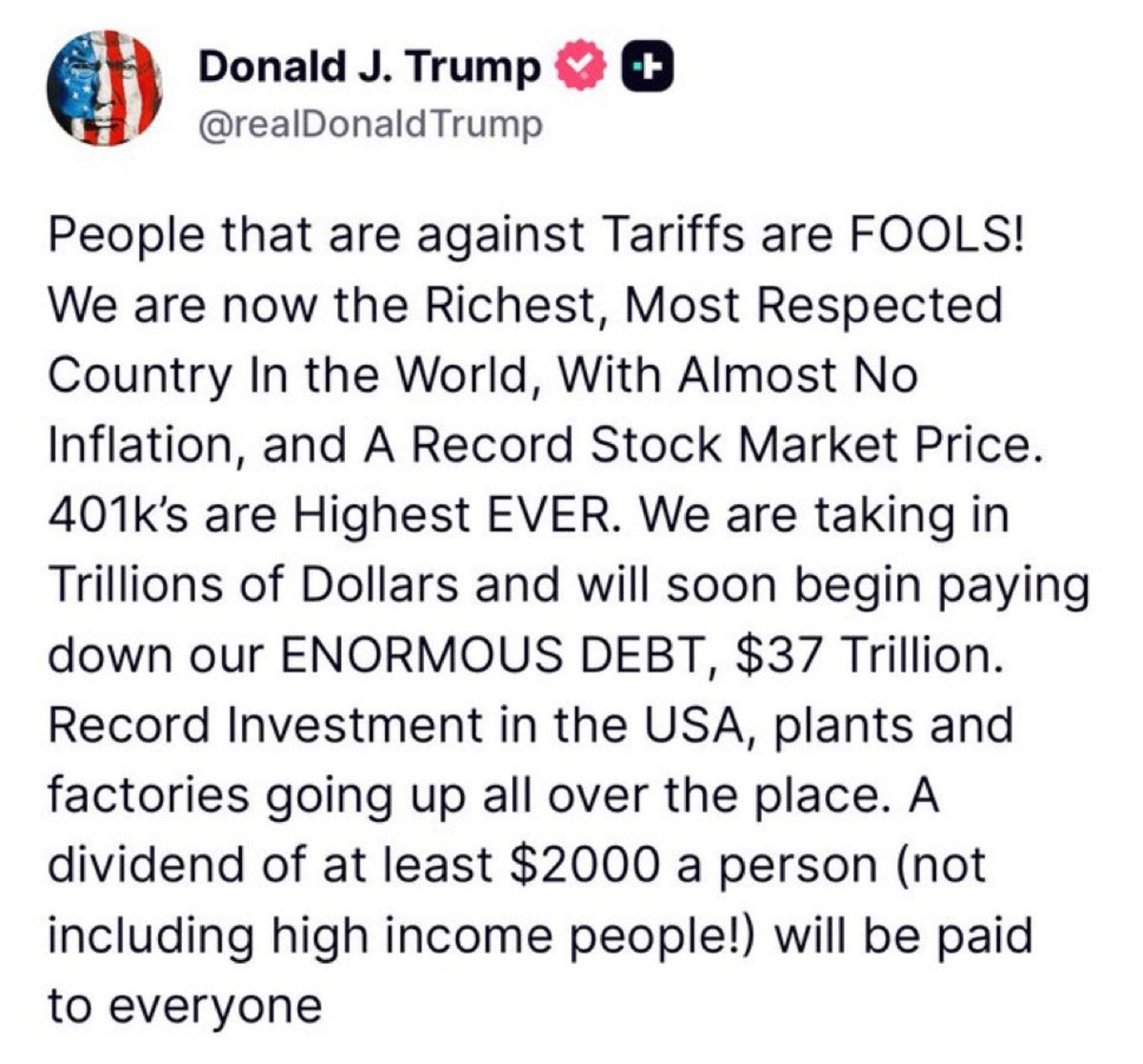
President Trump publicly floated figures as high as $2,000 per eligible person in prior statements, suggesting that funds generated from trade measures could be returned to working families. National Economic Council Director Kevin Hassett also indicated earlier this year that a formal proposal would be presented to lawmakers.
But with the Supreme Court’s ruling reshaping the legal landscape, the feasibility of such checks appears remote.
Another unresolved issue is whether previously collected tariffs might have to be refunded to businesses that paid them. Because tariffs function as taxes on imports — paid by U.S. companies that often pass costs on to consumers — any court-ordered reimbursements could significantly reduce available revenue.
Tomas Philipson of the University of Chicago, who previously served in the White House Council of Economic Advisers, noted that if refunds were required, it would complicate any argument for redirecting funds to households instead of reimbursing those directly taxed.
For now, the prospect of “tariff dividend” checks appears dim. While the administration signals it will pursue alternative trade authorities, experts increasingly agree that the political and fiscal headwinds are formidable.
As Washington braces for continued legal and legislative battles over trade policy, one thing seems clear: Americans hoping for tariff-funded rebate checks may be waiting a very long time.https://www.youtube-nocookie.com/embed/68CtXEhlX_I?enablejsapi=1