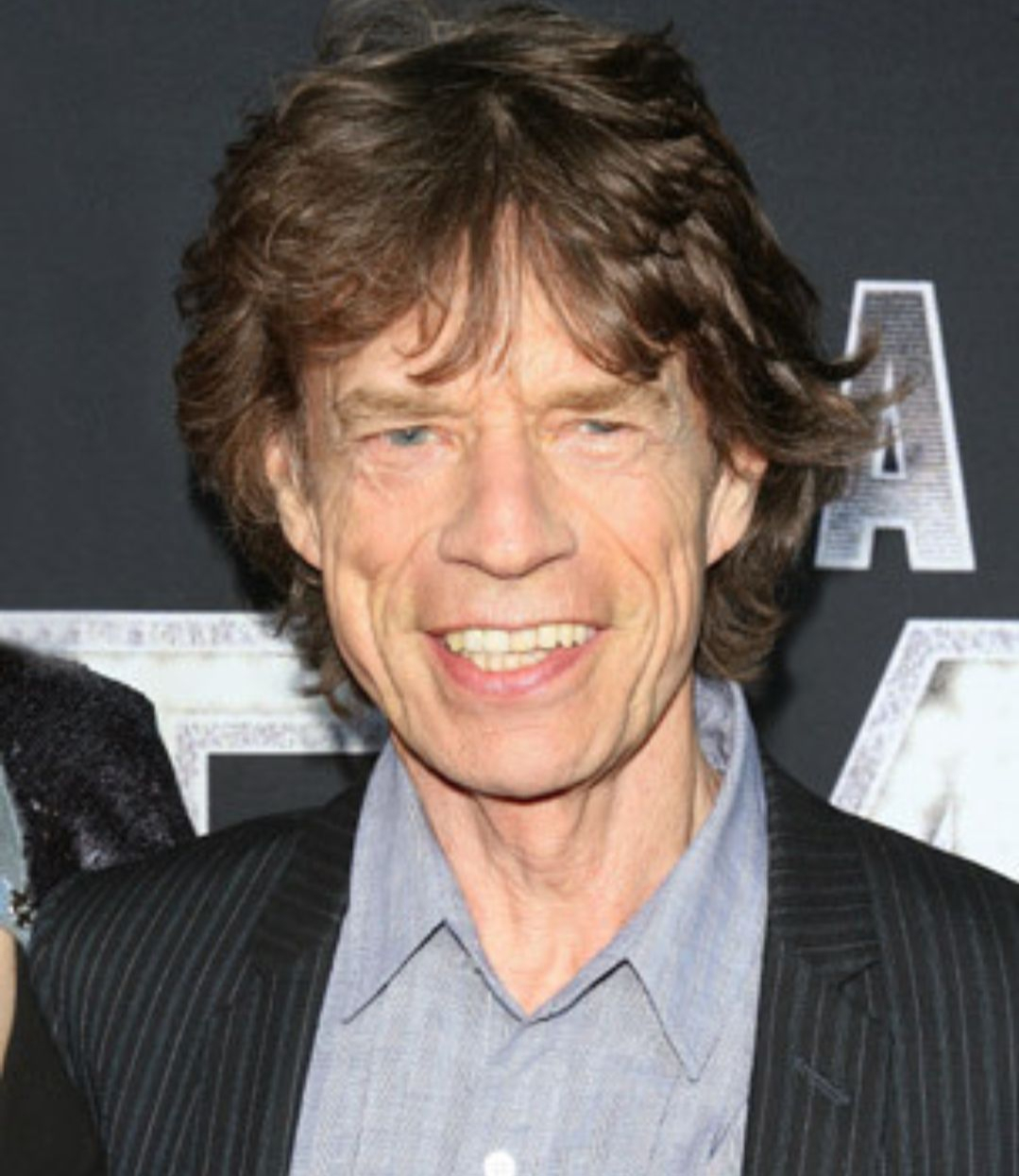
Mick Jagger Speaks Out on Social Media Trends—Rolling Stones Frontman Shares His Thoughts
Mick Jagger Denounces Celebration of Tragedy on Social Media
A Rare and Emotional Public Statement
Mick Jagger has delivered an unusually direct and emotional message condemning what he describes as a troubling pattern emerging across social media platforms.
The legendary frontman expressed deep concern over individuals who appear to celebrate or mock tragic events online.
Discover more
WordPress
“Hello, World!” program
Hello world
His comments quickly sparked international discussion and resonated across multiple generations.
At 82 years old, Jagger framed his remarks through the lens of a lifetime of cultural change and personal experience.
“I’ve lived 82 years on this earth,” he said, “and this is the first time I’ve ever witnessed people delighting in the suffering of others so openly, so proudly, and even recording it for the world to see.”
The statement carried both disbelief and frustration, reflecting a profound unease about evolving digital behavior.
A Reaction That Spread Instantly
Within minutes of his words circulating online, users began sharing screenshots and reactions across major platforms.
Hashtags such as #StandWithMick and #StopTheCruelty began trending as conversations intensified.
Discover more
Hello world
WordPress
“Hello, World!” program
News outlets and commentators framed his remarks as a wake-up call regarding the moral climate of online culture.
For a public figure who has spent more than six decades in the spotlight, the tone stood out.
Jagger is widely known for his stage presence and rebellious artistry, yet this moment was marked by seriousness rather than spectacle.
Observers noted that his comments were not tied to promotion or performance, but to a broader concern about empathy.
The Growing Digital Phenomenon
The behavior Jagger criticized involves videos and posts that mock victims of accidents, react with humor to public humiliation, or show visible celebration following violent or distressing incidents.
Such clips often accumulate millions of views before they are removed or challenged.
Discover more
Hello world
WordPress
“Hello, World!” program
In some cases, individuals record themselves smiling, laughing, or dancing in proximity to scenes of tragedy.
Experts say that repeated exposure to distressing content can create emotional detachment.
When suffering is experienced through screens, it may feel distant or unreal.
This separation can weaken immediate emotional responses and reduce empathy.
Another contributing factor is the structure of social media itself.
Engagement-driven systems reward content that provokes strong reactions.
Shocking or extreme behavior frequently gains more visibility than measured responses.
A Generational Perspective
Jagger contrasted current trends with the environment in which he grew up.
He has often reflected on postwar Britain, where communities depended on cooperation and shared resilience.
In that context, public celebration of another person’s pain would have been unthinkable.
Discover more
WordPress
“Hello, World!” program
Hello world
“Now I see people leaning into other people’s pain for clicks and laughs,” he remarked.
His frustration appeared rooted not only in online culture but in what he perceives as a shift in shared values.
For someone who has witnessed decades of global change, the normalization of such behavior stands out.
Reactions to his words came from all age groups.
Older audiences viewed his comments as confirmation of long-standing concerns about digital influence.
Younger users, including members of Gen Z, also publicly agreed that some online trends have crossed ethical lines.
This rare alignment across generations gave the debate unusual weight.
Social media often divides age groups in discussions about culture and technology.
In this instance, many voices echoed a common discomfort.
Intensity and Moral Frustration
Jagger’s message did not stop at disappointment.
He expressed impatience toward what he described as cruelty disguised as entertainment.
“If those people ever crossed paths with me,” he added, “they would not find an old man turning the other cheek. They would find someone who has no patience left for this kind of rot.”
The sharp tone startled some observers.
Others viewed it as evidence of the depth of his concern.
Supporters praised him for speaking candidly in an era when many public figures remain cautious.
His remarks were not framed as political commentary.
Instead, they centered on fundamental ideas of compassion and dignity.
That focus helped broaden the appeal of his message beyond ideological lines.
The Psychology of Online Cruelty
Behavioral specialists point to emotional distancing as a primary factor behind mocking reactions to tragedy.
Repeated exposure to distressing content can dull initial shock and replace it with indifference.
Over time, indifference may evolve into insensitivity.
Competition for visibility also plays a role.
Users seeking attention may post exaggerated or controversial reactions to gain followers.
The reward structure of likes, shares, and comments reinforces this pattern.
When extreme reactions generate digital success, the boundary between humor and harm becomes blurred.
Jagger’s criticism directly challenged this dynamic.
He emphasized that suffering should never serve as entertainment.
Debate and Dissent
Not all responses were supportive.
A small group argued that dark humor has long been a coping mechanism in difficult times.
They suggested that generational differences may influence interpretations of online behavior.
However, many analysts drew a distinction between coping through humor and targeting victims.
Laughing at absurdity differs from laughing at genuine suffering.
This distinction became central to the ongoing debate.
Advocacy groups used the moment to promote digital literacy and empathy education.
Community discussions highlighted the need for responsible sharing and mindful engagement.
The controversy expanded into conversations about values rather than technology alone.
Social Platforms Under Scrutiny
The statement also renewed scrutiny of content moderation practices.
Engagement-driven algorithms often amplify sensational material before review systems intervene.
This delay can normalize behavior that many consider harmful.
By condemning the celebration of tragedy outright, Jagger rejected the notion that such posts represent harmless fun.
His words reframed the issue as a moral question rather than a trend.
Some digital safety advocates argued that public criticism from influential figures can accelerate reform.
Community Reflection
Beyond policy debates, the discussion prompted self-reflection among users.
Many individuals began reconsidering what they choose to share or amplify.
Campaigns encouraging compassion and thoughtful engagement gained visibility.
Educational groups highlighted the importance of teaching empathy alongside technical skills.
Understanding the real-world consequences of online actions became a central theme.
In classrooms and community forums, the topic evolved into broader dialogue about digital responsibility.
A Lifetime of Perspective
Jagger’s message drew strength from his longevity in public life.
He has witnessed wars, cultural revolutions, and sweeping technological transformation.
His reaction suggested that even in a lifetime of upheaval, certain behaviors remain shocking.
“I have toured the world, seen both the best and worst of people,” he reflected. “But never did I think I’d live to see this — crowds cheering not at concerts, not at victories, but at pain, death, and humiliation. It shakes me to my core.”
The comment underscored how deeply he perceives the shift in public response to suffering.
A Call for Change
Despite the anger in his tone, Jagger’s message carried an appeal for improvement.
He urged audiences, particularly younger generations, to resist participating in content that exploits pain.
“Every share, every like of those videos, feeds the beast,” he cautioned. “We must starve it instead. Celebrate life, celebrate music, celebrate joy — not misery.”
His closing sentiment emphasized hope over condemnation.
By identifying the problem, he suggested that society can redirect its course.
Empathy, he implied, remains within reach if individuals choose it.
An Ongoing Conversation
Whether the statement will produce lasting change is uncertain.
Social media trends are powerful and often resistant to reform.
Yet moments of collective reflection can influence cultural direction.
Jagger’s remarks transformed private discomfort into public discussion.
They prompted examination of how digital platforms shape human interaction.
Most importantly, they challenged individuals to reconsider what they applaud and why.
At 82, Mick Jagger’s musical legacy is firmly established.
His recent comments suggest that his influence may extend beyond performance.
In a digital era defined by speed and spectacle, he has called for something simpler and enduring: compassion.