Let’s all pray for Whoopi Goldberg.
Whoopi Goldberg is a name deeply embedded in the cultural and artistic history of the United States. Over several decades, she has built a career that spans:
Comedy, drama, film, theater, television, and social commentary. She belongs to an exceptionally small and distinguished group of performers known as EGOT winners.
Artists who have earned an Emmy, Grammy, Oscar, and Tony Award. This achievement alone places her among the most versatile and respected figures in modern entertainment.
Beyond awards, Goldberg has become a familiar presence in American households through her long-running role as a co-host and moderator on the daytime talk show The View, where she engages with political, cultural, and social issues in a direct and often candid manner.
However, the very visibility that has sustained her influence has also made her a frequent target of online misinformation.
In recent years, particularly in the age of social media virality, headlines urging people to “Pray for Whoopi Goldberg” have repeatedly circulated across Facebook pages, low-credibility websites, and content farms.
These posts often suggest a serious health emergency or imply that Goldberg is gravely ill, without offering verifiable details or credible sourcing.
While such messages may appear compassionate on the surface, they are frequently designed to exploit fear and emotional attachment rather than inform the public responsibly.
To understand why these rumors persist, it is important to examine both the factual basis behind them and the broader digital environment that allows misinformation to spread so easily.
A Real Health Crisis That Became a Lasting Narrative
Many of the health-related rumors surrounding Whoopi Goldberg trace back to a genuine and serious medical emergency she experienced in early 2019.
During that period, Goldberg unexpectedly disappeared from The View for several weeks. Her absence raised immediate concern among viewers, as she was a central figure on the show and rarely missed extended time without explanation.
When she eventually addressed the situation, Goldberg revealed that she had suffered from severe pneumonia that progressed into sepsis, a life-threatening condition that occurs when the body’s response to infection causes widespread inflammation and organ dysfunction.
She spoke openly about the seriousness of her illness, explaining that she had been very close to death.
According to her own account, the experience required prolonged hospitalization and an extended recovery period, including time spent relearning how to manage basic physical stamina.
This transparency was widely respected and admired. Goldberg’s willingness to speak candidly about her vulnerability resonated with audiences, particularly those who had faced serious illness themselves or cared for loved ones during medical crises.
However, that same openness unintentionally created fertile ground for future rumors. Because the public knew she had once been critically ill, it became easier for misleading headlines to revive those fears years later, even when no new health emergency existed.
How Clickbait and Hoaxes Exploit Familiar Fears
In the modern digital ecosystem, celebrity health scares have become a recurring form of clickbait.
These stories rely on emotional triggers rather than verified facts. A headline such as “PRAY FOR WHOOPI GOLDBERG” is deliberately vague.
It does not state what has happened, when it occurred, or who confirmed it. Instead, it invites readers to assume the worst and click for answers.
Once clicked, these articles often follow a predictable pattern. They may include an old photograph of Goldberg—sometimes taken during her 2019 recovery or even a still from a film role—to create the impression of hospitalization.
The text then shifts into a long overview of her career, listing her accomplishments, awards, and famous roles, without ever clearly stating a current medical condition.
By the end of the article, readers realize there was no actual news, only recycled information presented in an alarming format.
This strategy is not accidental. Such content is designed to generate advertising revenue by maximizing page views and social media shares. The subject’s well-being becomes secondary to engagement metrics.
Unfortunately, because Goldberg is widely loved and respected, many fans share these posts with good intentions, believing they are expressing concern or solidarity, even though they are unknowingly amplifying misinformation.

The Psychological Impact on Audiences and Families
The consequences of these recurring rumors extend beyond temporary confusion. For audiences, repeated exposure to false emergencies can create what psychologists describe as “compassion fatigue.”
When people are frequently urged to respond emotionally to crises that turn out to be exaggerated or false, they may become desensitized.
This reduces the emotional response to genuine emergencies, whether involving public figures or ordinary individuals.
For Goldberg herself and her family, the impact can be more personal. Each wave of misinformation can result in anxious messages, phone calls, and public speculation.
While public figures accept a degree of scrutiny, repeated false alarms about health or mortality cross an ethical boundary. They intrude on personal dignity and create unnecessary distress for loved ones who must repeatedly reassure others that no crisis exists.
How to Distinguish Fact From Fabrication
In an era of rapid information sharing, readers carry a growing responsibility to evaluate the credibility of what they encounter online.
Reliable health news about a public figure of Goldberg’s stature would be reported by established media organizations such as major network news outlets, international wire services, or respected newspapers.
These reports would include confirmed statements from representatives, medical professionals, or Goldberg herself.
By contrast, articles that originate from anonymous blogs, pages without editorial transparency, or websites filled with intrusive advertising should be treated with caution.
Warning signs include excessive capitalization, emotional language, vague phrasing, and a lack of dates or sources. If no reputable outlet is reporting the same information, skepticism is warranted.
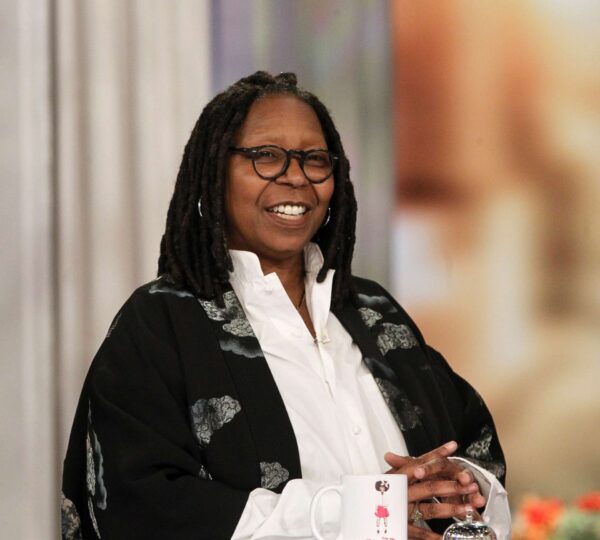
It is also worth noting that Goldberg has a long history of addressing her audience directly. Whether through The View or her verified public appearances, she has consistently communicated openly when significant issues arise.
This pattern suggests that any serious health development would likely be acknowledged in a straightforward manner rather than revealed through rumor-driven channels.
Whoopi Goldberg Today: An Active and Influential Presence
Despite persistent online speculation, Whoopi Goldberg remains professionally active. She continues her role on The View, participating in discussions that often involve complex political and social topics.
Her presence on the show reflects not only her professional commitment but also her resilience following past health challenges.
In addition to her television work, Goldberg remains involved in film, theater, and production projects. She is also recognized for her advocacy on issues such as human rights, equality, and public health awareness.
Her career serves as an example of longevity in an industry that often sidelines older performers, particularly women.
Rather than being defined by illness, Goldberg’s post-2019 years have demonstrated recovery, adaptation, and continued engagement with her audience.
Many viewers, especially older adults, have expressed admiration for her ability to return to a demanding schedule after such a serious medical episode.
The Broader Problem of Digital Misinformation
The recurring “Pray for Whoopi” headlines are part of a larger issue affecting the online information environment. Sensationalized content undermines trust in legitimate journalism and blurs the line between fact and fiction.
Over time, this erosion of trust affects how society responds to real emergencies, public health information, and verified news.
Responsible readership involves pausing before sharing emotionally charged posts, checking publication dates, and seeking confirmation from multiple credible sources.
These simple actions can significantly reduce the spread of false narratives.
A More Respectful Way to Show Support
Concern for public figures is natural, especially when they have contributed meaningfully to culture and society.

However, the most respectful way to support someone like Whoopi Goldberg is not through sharing unverified rumors, but through engaging with her work, listening to her own words, and valuing accuracy over alarm.
Celebrating her achievements, acknowledging her resilience, and respecting her privacy honors her legacy far more than participating in cycles of misinformation.
As Goldberg herself has often emphasized, caring for one another includes being truthful and responsible in how we communicate.